Prioritizing Student Mental Wellness: A Research-Backed Guide for Students, Parents, and Educators
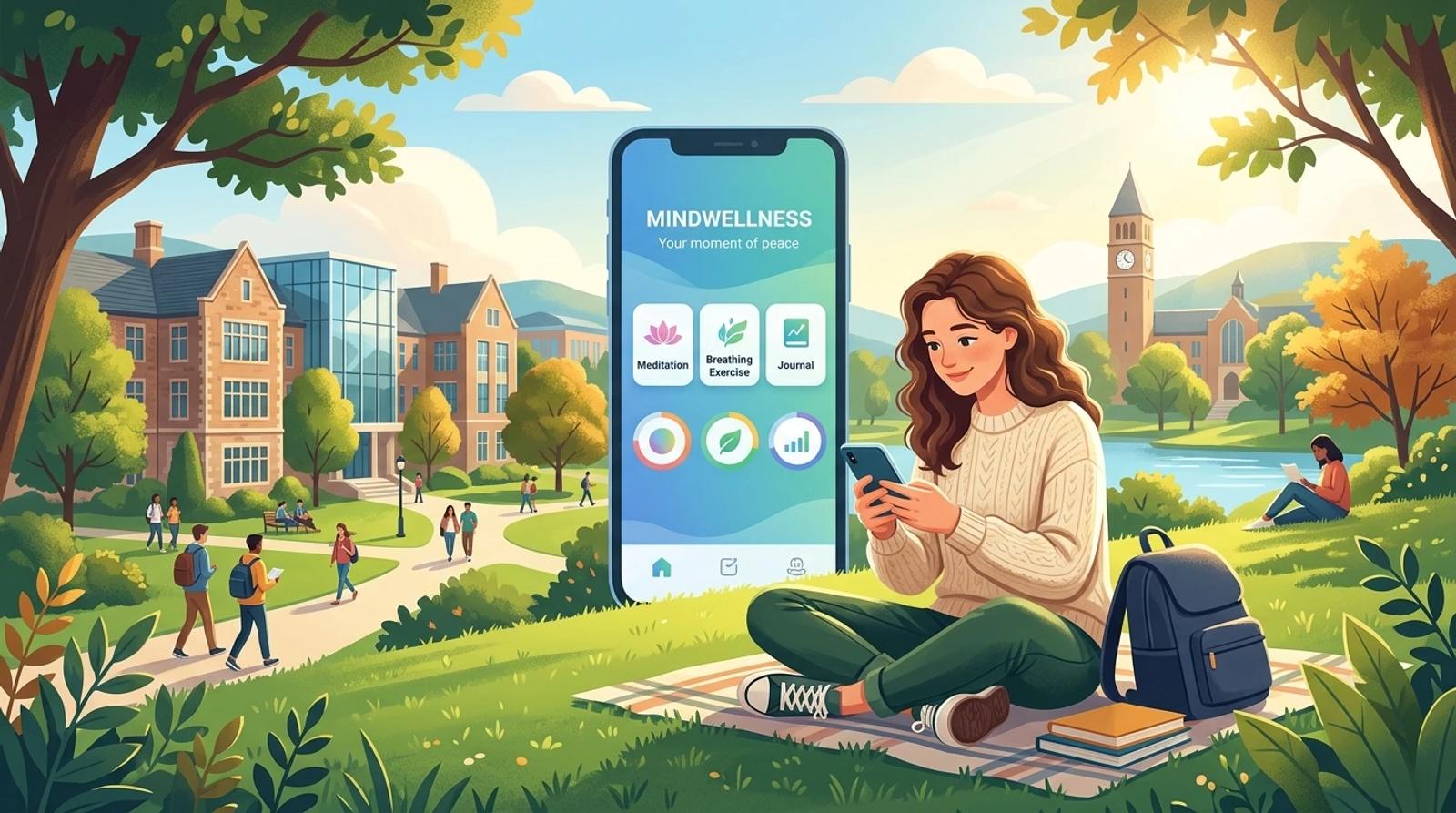
Mental wellness isn't a luxury for students — it's a prerequisite for learning. When a student's mind is clouded by anxiety, weighed down by depression, or fractured by loneliness, no amount of tutoring, textbook reading, or test prep will bridge the gap.
And yet, for decades, academic institutions treated mental health as an afterthought. Something that happened "outside the classroom". Something that was "someone else's problem".
That era is over.
Today, the data is unambiguous: student mental wellness directly determines academic outcomes, social development, and long-term career success. The question is no longer whether to prioritise it; it's how.
If you're a student struggling right now, you're not alone. Consider starting with a quick anxiety self-check or visiting our crisis support resources for immediate help.
Why Student Mental Wellness Demands Attention Right Now
The Numbers Tell a Clear Story
The 2024–2025 academic year has brought cautious optimism alongside persistent concern. According to the Healthy Minds Study — the largest survey of student mental health in the United States, covering over 84,000 students across 135 institutions — symptom severity has decreased for the third consecutive year.
But "improved" does not mean "resolved".
Source: Healthy Minds Study 2024–2025, University of Michigan
Let that bottom row sink in: more than half of students who screen positive for depression or anxiety are not receiving any form of professional help. The biggest barriers? Lack of free time, financial constraints, and discomfort seeking support outside their families.
It's Not Just a College Problem
The crisis begins much earlier. According to the CDC and multiple K-12 surveys from 2023–2025:
- 40% of high school students report persistent feelings of sadness or hopelessness
- 20% of high school students have seriously considered suicide in the past year
- 1 in 5 children (ages 3–17) has been diagnosed with a mental, emotional, or behavioral health condition
- Over 53% of public schools report increased demand for student mental health services
The World Health Organization adds a global lens: approximately 1 in 7 adolescents (14.3%) aged 10–19 experience a mental disorder worldwide, and one-third of all lifetime mental health conditions emerge by age 14.
These are not abstract figures. They represent your child, your classmate, your student, or quite possibly you.
If you're a parent feeling overwhelmed by this information, our guide on managing anxiety naturally offers practical techniques you can share with your child today.
Recognizing the Warning Signs
Mental health challenges in students often hide behind behaviours that adults dismiss as "normal teenage stuff" or "college stress". Knowing the difference matters.
Academic Warning Signs
- Sudden, unexplained drop in grades
- Missed classes, assignments, or deadlines
- Inability to concentrate during lectures or study
- Loss of interest in subjects the student previously enjoyed
Emotional and Behavioral Indicators
- Withdrawing from friends, family, or social activities
- Persistent irritability, anger outbursts, or emotional flatness
- Changes in sleep patterns (insomnia or oversleeping)
- Appetite changes — eating significantly more or less
- Increased use of alcohol, substances, or screen escapism
Physical Symptoms
- Frequent headaches, stomachaches, or unexplained fatigue
- Neglecting personal hygiene or appearance
- Complaints of feeling "numb" or "empty"
When to act immediately: If a student mentions self-harm, expresses hopelessness about the future, or talks about being a burden, this requires urgent attention. Visit our crisis support page or call the 988 Suicide & Crisis Lifeline immediately.
7 Evidence-Based Strategies to Prioritize Student Mental Wellness
Prioritising student mental wellness requires action at every level: individual, institutional, and community. Here are seven strategies supported by research.
1. Build Daily Micro-Habits for Mental Health
Students don't need to meditate for an hour. Research consistently shows that small, consistent habits create the most sustainable change:
- 5 minutes of guided breathing — reduces cortisol levels measurably within two weeks
- Gratitude journaling (3 items per day) — linked to a 25% increase in optimism
- Daily movement — even a 10-minute walk lowers anxiety symptoms
Explore our mindfulness tools or try the 5-4-3-2-1 grounding script to start today.
2. Leverage Evidence-Based Digital Mental Health Tools
Digital mental health interventions (DMHIs) have emerged as a powerful bridge between overwhelming demand and limited campus counseling capacity. Research shows:
- Students offered digital tools are up to 7x more likely to engage with support compared to those only directed to campus clinics
- Apps built on Cognitive Behavioral Therapy (CBT) frameworks effectively reduce symptoms of anxiety and depression
- Hybrid models — pairing apps with human coaching — produce the strongest long-term outcomes
The American Psychological Association (2025) recommends digital tools as adjuncts to, not replacements for, professional care.
Looking for a place to start? Our free mental health tools are designed with evidence-based frameworks and require zero sign-up.
3. Normalize Help-Seeking Behavior
Stigma remains the invisible wall between students and support. According to the Healthy Minds Study, 59% of students who screened positive for a mental health condition had not used psychotropic medication, and 53% had not engaged in counselling – not because services weren't available, but because of internal and social barriers.
What works:
- Peer-led mental health programmes, campus chapters of organisations like Active Minds have measurably increased help-seeking behaviours.
- Faculty training — educators who can recognize and respond to signs of distress create safer classrooms
- Storytelling campaigns — when students hear peers share recovery stories, willingness to seek help increases significantly
Our article on overcoming mental health stigma provides specific conversation starters and frameworks.
4. Prioritize Sleep as a Mental Health Foundation
This one gets overlooked constantly. The ACHA-NCHA Fall 2024 report found that over 75% of college students get less than 8 hours of sleep on weeknights. Poor sleep doesn't just cause grogginess — it's a direct amplifier of anxiety, depression, and emotional dysregulation.
Actionable steps:
- Set a consistent sleep/wake schedule, even on weekends
- Limit screen exposure 60 minutes before bed
- Use our sleep and mental health guide for evidence-based sleep hygiene practices
5. Address the Social Media Factor
The WHO Regional Office for Europe reported that problematic social media use among adolescents rose from 7% to 11% between 2018 and 2022 — and 12% of adolescents now meet criteria for problematic gaming.
The link between excessive screen time, social comparison, and mental health decline in students is well-documented. But the solution isn't "ban all screens" — it's intentional use:
- Schedule "digital detox" blocks during study hours
- Curate social media feeds to follow mental health advocates, not comparison triggers
- Replace 30 minutes of scrolling with a mindfulness exercise — try our emotional regulation toolkit
6. Strengthen Campus and School-Based Support Systems
More than half of public schools report feeling unable to effectively serve all students in need of mental health support. The primary barriers: inadequate funding, staffing shortages, and insufficient training.
Effective institutional strategies include:
- Multi-Tiered Systems of Support (MTSS) — providing universal prevention alongside targeted interventions
- Braided funding models — combining federal, state, and local sources to extend care beyond the classroom
- Community partnerships — connecting schools with local mental health providers, nonprofits, and telehealth platforms
7. Involve Families Without Overstepping
Parents and guardians are powerful allies — but only when they approach mental wellness conversations with empathy, not interrogation.
Tips for families:
- Ask open-ended questions: "How are you really doing?" rather than "Are you okay?"
- Validate feelings before offering solutions
- Learn about available resources together – explore our features overview as a family
- Respect autonomy, especially with older students
- If your own stress is spilling over, check our emotional exhaustion and burnout guide
What Schools and Universities Are Getting Right
Not every headline is alarming. Several institutional models are producing measurable results:
A Note for Students: Your Mental Health Is Not a Weakness
If you've read this far, there's a good chance you're carrying something heavy right now. Maybe it's academic pressure. Maybe it's family expectations. Maybe it's the gnawing loneliness that social media somehow makes worse.
Here's what you need to hear: seeking support is the strongest thing you can do.
It's not a sign that you're broken. It's a sign that you're paying attention to yourself — and that's a skill most adults are still learning.
Here are some immediate steps you can take right now:
- Take a quick self-assessment — our depression screening tool or stress management guide can help you understand where you stand
- Try a grounding exercise — the 5-4-3-2-1 technique takes under 3 minutes
- Talk to someone — a friend, a campus counselor, a family member, or our crisis support line
- Explore digital support and browse free mental health tools designed specifically for student schedules
Frequently Asked Questions
What does "student mental wellness" actually mean?
Student mental wellness refers to the overall state of a student's emotional, psychological, and social well-being. It encompasses how students manage stress, relate to others, make decisions, and cope with the unique pressures of academic life. It goes beyond the absence of mental illness; it includes thriving, resilience, and the capacity to engage meaningfully in learning and relationships.
How common are mental health challenges among students?
Very common. According to the 2024–2025 Healthy Minds Study, 32% of college students experience moderate to severe anxiety, and 18% report severe depressive symptoms. Among high school students, approximately 40% report persistent sadness or hopelessness. Globally, the WHO estimates that 1 in 7 adolescents experiences a mental disorder.
What are the best free mental health resources for students?
Students can access evidence-based self-help tools, including guided mindfulness exercises, anxiety relief techniques, and emotional regulation frameworks. The 988 Suicide & Crisis Lifeline (call or text 988) provides 24/7 crisis support. Many campuses also offer free counselling sessions — check your student health centre.
Can mental wellness apps replace therapy?
No. The American Psychological Association (2025) explicitly recommends against using digital wellness tools as a total replacement for professional mental health care. However, evidence shows that apps built on CBT frameworks effectively reduce symptoms when used alongside professional support. Explore how digital tools fit into a comprehensive approach in our blog on finding the best mental wellness app.
How can parents help without being overbearing?
Start with open-ended questions and active listening. Validate your child's emotions before offering solutions. Learn about available resources together and respect their autonomy. If your own stress is affecting the family dynamic, consider exploring our emotional exhaustion recovery toolkit.
How does social media affect student mental health?
The WHO reports that problematic social media use among adolescents nearly doubled from 7% to 11% between 2018 and 2022. Excessive social comparison, cyberbullying, and disrupted sleep from late-night scrolling are the primary pathways through which social media impacts student mental health. The solution isn't total abstinence, but intentional, time-limited use.
Final Thoughts: Wellness Is Not a Destination-It's a Daily Practice
Prioritising student mental wellness isn't a one-semester initiative or a single awareness week. It's an ongoing, evolving commitment by individuals, families, schools, and communities.
The data is clear: students are struggling, but they're also improving. Symptoms are declining. Awareness is rising. More students are talking about mental health than any previous generation.
The gap that remains is in action — turning awareness into accessible, stigma-free, evidence-based support. That's what we're building at Mental Wellness Apps.
Whether you're a student taking your first steps toward self-care, a parent learning how to listen differently, or an educator looking to make your classroom safer—the fact that you're here, reading this, matters.
Start small. Start today. And remember: you don't have to figure this out alone.
Explore our full library of free mental health tools →
Sources and Citations
- Healthy Minds Study 2024–2025. Healthy Minds Network, University of Michigan. https://healthymindsnetwork.org
- Youth Risk Behavior Survey (YRBS), 2023–2025 Data Summary. Centers for Disease Control and Prevention (CDC). https://www.cdc.gov/healthyyouth/data/yrbs
- Children's Mental Health: Data and Statistics. Centers for Disease Control and Prevention (CDC). https://www.cdc.gov/childrensmentalhealth/data.html
- KIDS COUNT Data Book: State Trends in Child Well-Being, 2024. Annie E. Casey Foundation. https://www.aecf.org
- Adolescent Mental Health Fact Sheet. World Health Organization (WHO). https://www.who.int/news-room/fact-sheets/detail/adolescent-mental-health
- Physical Activity Guidelines for Americans, 2nd Edition; Mindfulness-Based Stress Reduction Research. U.S. Department of Health and Human Services; National Institutes of Health (NIH).
- Emmons, R. A., & McCullough, M. E. (2003). "Counting Blessings Versus Burdens: An Experimental Investigation of Gratitude and Subjective Well-Being in Daily Life." Journal of Personality and Social Psychology, 84(2), 377–389.
- Digital Mental Health Interventions for College Students. American Psychological Association (APA), 2025; Washington University in St. Louis research summary. https://www.apa.org
- Mental Health Literacy and Peer-Led Programs. Active Minds; McKinsey & Company K-12 Student Mental Health Report, 2024. https://www.activeminds.org
- American College Health Association – National College Health Assessment (ACHA-NCHA), Fall 2024. https://www.acha.org/ncha
Safety Notice
This educational content is not a substitute for professional medical advice, diagnosis, or treatment. Call 911 or your local emergency number if you are in crisis.
About the author

Mahendra Balal
Founder & Mental Wellness Advocate
Mahendra Balal is a dedicated Founder & Mental Wellness Advocate committed to providing evidence-based insights and support for mental wellness.